

Do not energize an idle crane simply because it looks intact. Start with its identity and records, isolate every energy source, inspect the runway and load-bearing parts, then test each motion and safety function in controlled stages before deciding whether the crane can return to service.
Key takeaways
- Confirm the shutdown cause and isolate electrical, hydraulic and stored-energy hazards.
- Inspect runway alignment, girders, end carriages, wheels, rope and hook before energising.
- Test controls, brakes, limit switches and travel functions in controlled stages.
- Record defects, repairs, test results and the authorised release decision.
Define the shutdown period and isolate the crane before inspection
Treat a double girder EOT crane as unavailable until you establish why it stopped, how long it remained idle, and what happened around it during that period.
Several weeks of idleness requires more than a pre-shift check; months or years, flooding, fire, collision, overload, modification or major repair demands a documented condition assessment by a competent person.
1. Record the crane ID, safe working load, span, duty class, hoist and trolley serial numbers, previous defects, last thorough examination, outstanding repairs, and changes to the runway or building. Add the shutdown start date, work performed during the shutdown, and any magnet, grab, ladle hook, auxiliary hoist or variable-frequency drive.
Use a site-specific double girder EOT crane inspection checklist, not a generic form.
2. Remove every load and park the crane in the designated position. Establish an exclusion zone below and along the runway, then notify operators, maintenance staff and nearby production teams.
3. Open the main isolator, isolate control circuits and any separate power source, apply a personal lock and danger tag, and retain the key with the person doing the work. Test for dead voltage with a suitable meter, try the controls, and verify that stored or back-fed energy is absent before opening an enclosure.
4. Prevent unintended movement with approved mechanical restraints where required. Do not enter the runway, climb onto the bridge or touch conductors until isolation is confirmed; corrosion, water, displaced parts or damaged electrification can make an idle crane move or energise unexpectedly.
Inspect the runway, bridge girders and end carriages for hidden damage
A double girder EOT crane for inspection after shutdown in Ahmedabad must remain stationary until the runway and load-bearing structure pass a physical examination. Use the crane ID, safe working load, span, duty class, previous defects and any runway modifications to match the inspection with the correct records.
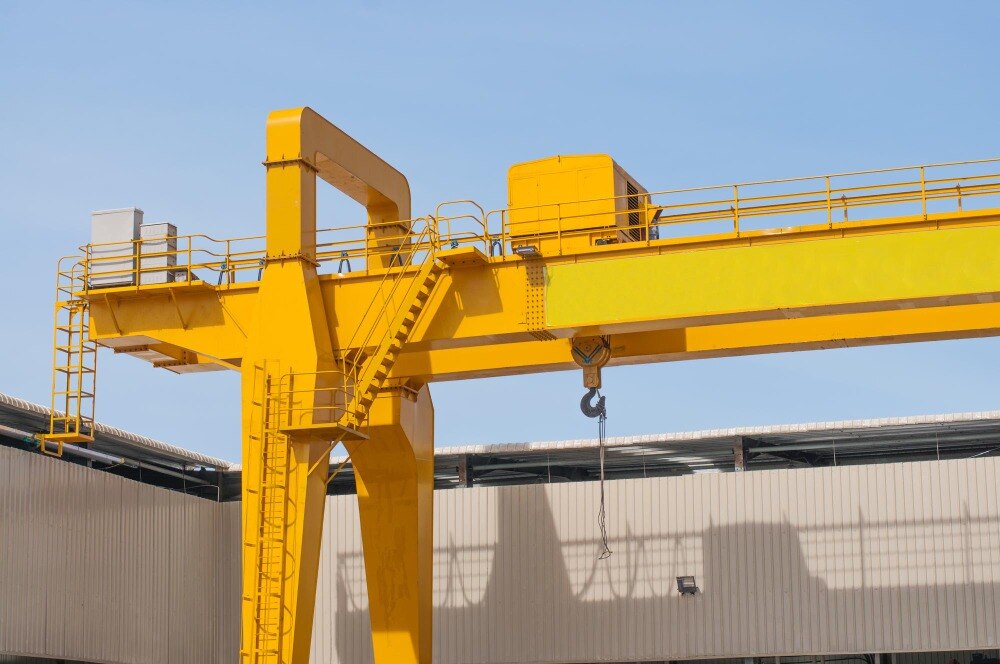
1. Walk the full runway length at floor level. Check rails for corrosion pitting, bends, cracked joints, water accumulation and obstructions; examine rail clips, fishplates, bolts, runway beams and end stops for displacement or missing hardware.
2. Inspect the electrification route before movement. Look for damaged conductor bars or festoon cables, loose supports, exposed conductors and bent collectors. A damaged collector can cause arcing or loss of control when power is restored.
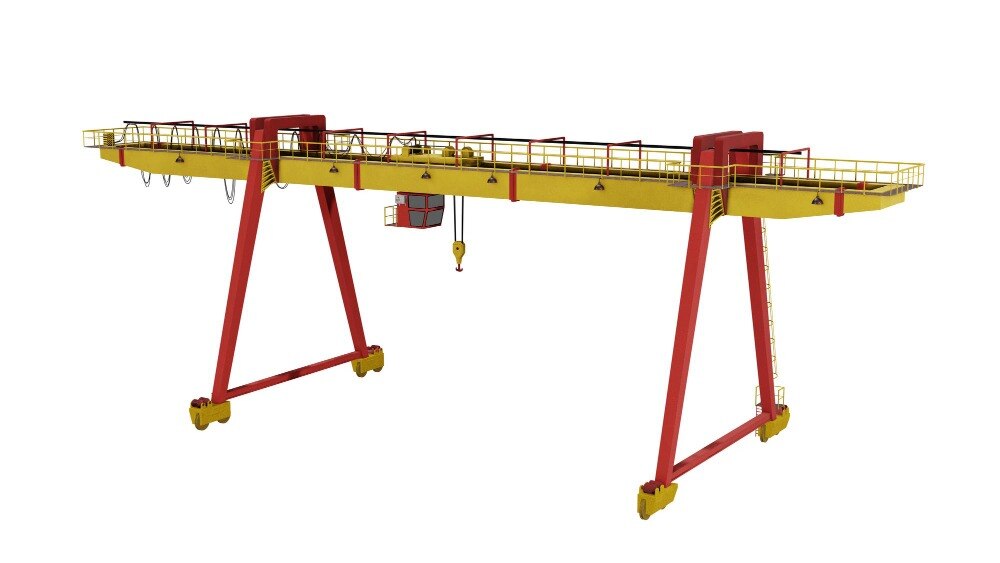
3. Examine both bridge girders from accessible sides, including the underside. Look for dents, buckling, corrosion pitting, cracked welds, loose structural fasteners, damaged diaphragms and impact marks around trolley rails, hoist brackets and repaired welds.
4. Check each end carriage and its connection to the girders. Inspect wheel-load areas, bearing housings, wheel guards, buffers and bolts for cracks, distortion, looseness or rust scale that hides section loss.
5. Record photographs, locations and measurements of every defect. Do not permit travel if you find a cracked member, unexplained distortion, severe rail or wheel damage, failed earthing, a displaced end stop or any obstruction; isolate and obtain competent-person disposition before release.
Check wheels, hoist, trolley, rope, hook and reeving as one load path
A seized brake or damaged wire rope can turn a stationary crane into an uncontrolled load path. Keep the crane out of service until the wheels, trolley, hoist, rope, hook and reeving pass a close inspection.
- Check bridge and trolley wheels for flat spots, cracked flanges, excessive flange wear, seized bearings and metal debris. Inspect wheel contact and rail alignment during later slow travel; a wheel that climbs, skews or strikes the rail requires removal from service.
- Examine the hoist brake for corrosion, glazed or oil-contaminated linings, sticking parts, weak springs, drum damage and lost adjustment. Confirm that it holds the unloaded hook, then complete the manufacturer’s controlled load-holding and functional tests. Do not tighten adjustment to hide brake slip.
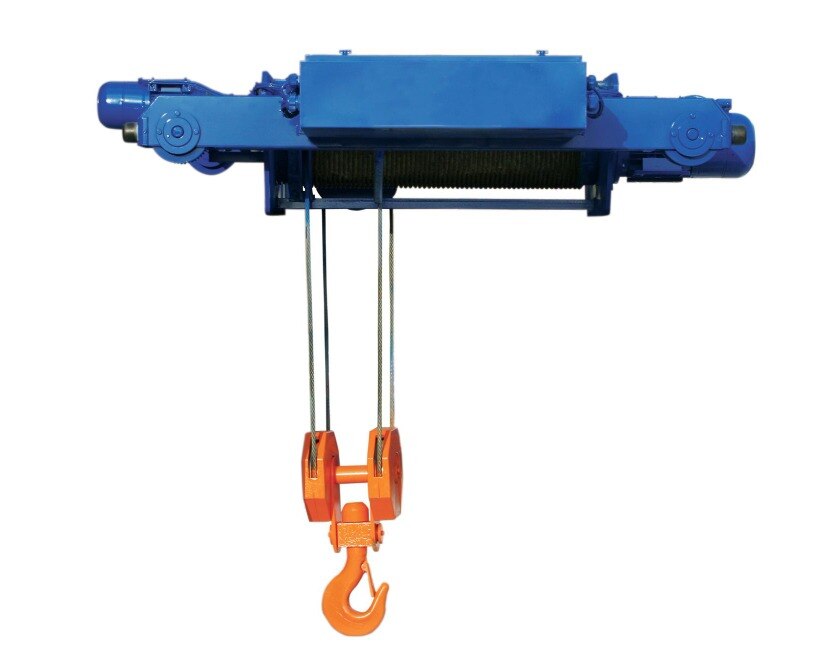
- Inspect the wire rope along its full length, including drum spooling and every sheave. Remove it for broken wires, corrosion, crushing, flattening, kinks, birdcaging, core protrusion, heat damage or significant diameter loss. OSHA’s cited discard benchmarks include six randomly distributed broken wires in one rope lay, three in one strand in one lay, or one-third wear of an outer wire’s original diameter.
- Check the hook for cracks, twisting, throat opening, excessive wear and a missing or ineffective latch. Inspect sheaves, guards, pins, sockets and reeving for misalignment, seized rotation or rope riding out.
| Finding | Decision | Reason |
|---|---|---|
| Brake slip, cracked hook or unsafe latch | Remove from service | Load can fall |
| Rope discard condition or failed socket | Remove from service | Rope can break |
| Wheel flange fracture or derailment risk | Remove from service | Crane can leave the rail |
| Abnormal sheave or bearing seizure | Remove from service | Reeving can fail or jam |
Restore power and test controls, brakes, limits and travel in stages
An EOT crane restart inspection begins with an empty hook, a cleared runway and an authorised operator at the controls. Remove tools and personnel from the motion path, confirm guards and covers are secured, and energise the isolator only after the area is controlled.
1. Reset the pendant or radio controller and test each command at rest. Confirm the emergency stop removes motion, then verify the horn, indicator lamps and control response without a load.
2. Run each motion separately at slow speed: hoist, trolley and bridge travel. Stop between movements and watch for unexpected starts, wheel climbing, skewing, festoon snagging, abnormal noise, vibration or excessive current.
3. Release the hoist brake with the hook unloaded and confirm it stops without drift. A no-load stop does not prove brake capacity; inspect for sticking, corrosion, glazed linings, weak springs or incorrect adjustment before any load-holding test.
4. Check the upper and lower hoist limits, trolley limits and bridge travel limits at low speed. Treat the upper limit switch as protection, not normal stopping control; never repeatedly drive the hook into it.
5. Test interlocks, travel alarms and direction controls, then stop immediately for uncontrolled motion or a failed safety function. Isolate and tag out the crane rather than compensating for brake slip or limit-switch failure through adjustment alone.
This restart inspection is not a formal proof or load test. If one is required under IS 3177, IS 807, the applicable Indian or Gujarat regime, or the project specification, a competent engineer must define the test load, exclusion zone and written acceptance criteria.
Document the release decision for a steel-plant crane
Do not sign a release based on a completed checklist alone. A competent person must review the crane’s history, shutdown work, inspection findings, brake and control tests, outstanding defects, and any collision, overload, flood, fire, modification or major repair.
Use one of these dispositions:
- Fit for service: all safety functions operate, no no-go defect exists, the brake holds as required, and operating restrictions are written on the release.
- Repair before use: isolate and tag out the crane for cracked members or hooks, rope discard conditions, failed brakes, nonfunctional emergency stops or upper limits, damaged earthing, uncontrolled motion, severe wheel or rail damage, or unexplained overload marks.
- Formal load test and engineering review: require this after a major repair, structural alteration, overload, accident, disputed brake capacity, or when the applicable Indian statutory regime, purchaser specification, or crane standard demands it.
A restart inspection does not replace a proof or load test. Plan any test with a competent engineer, calibrated test load, exclusion zone and written acceptance criteria; verify the applicable edition of IS 3177, IS 807 and Gujarat requirements with the occupier’s safety department.
For steel plant crane maintenance in Ahmedabad, record the crane number, safe working load, duty, test instruments, findings, photographs, repairs, retest results, approver and release restrictions. Derrick Engi Works Private Limited can help verify that the proposed test reflects the crane’s design duty and site conditions rather than a generic warehouse checklist.
Related products
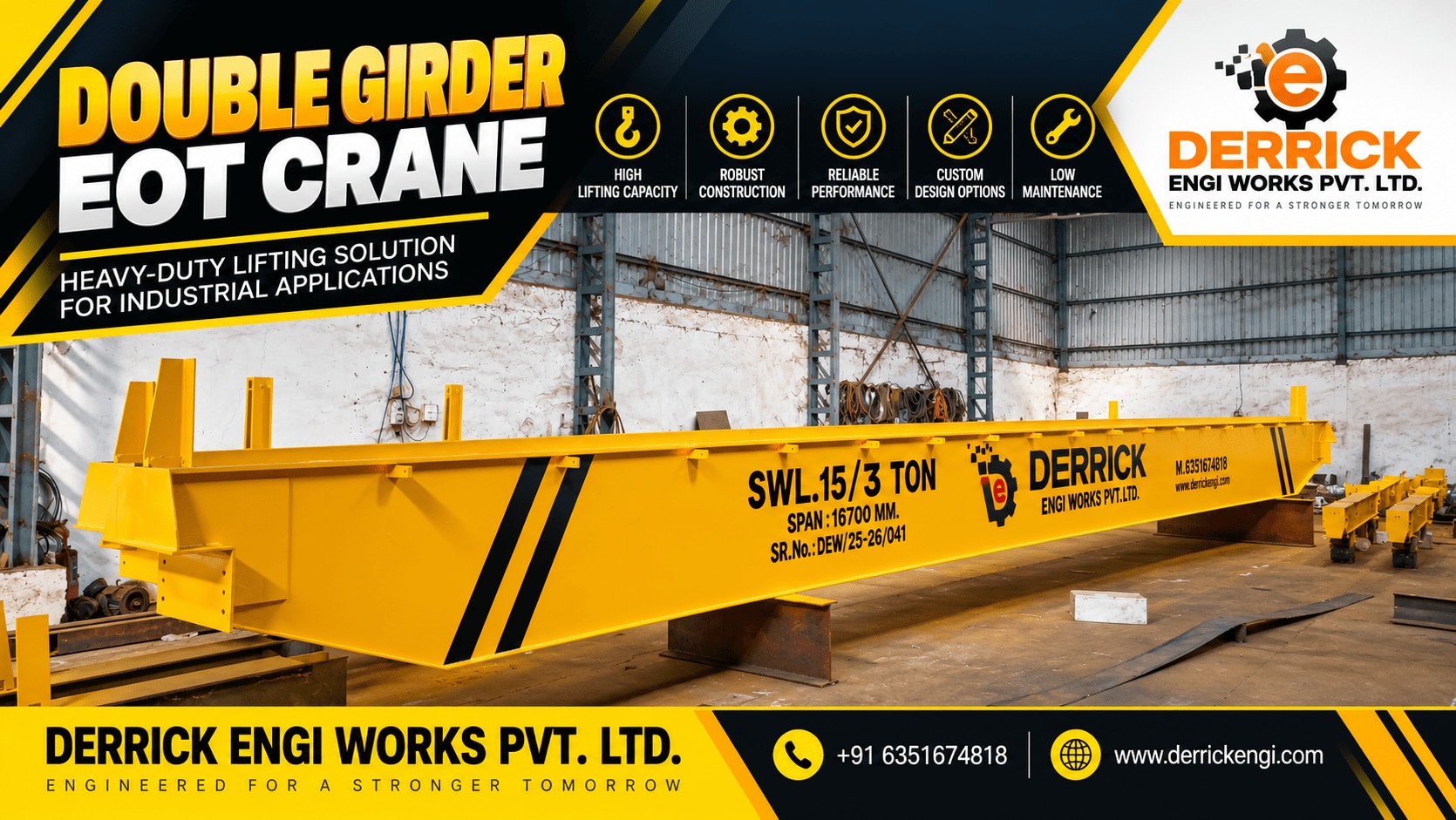 | EOT Cranes 🏗️ Double Girder EOT Crane – Heavy-Duty Industrial Lifting Strong Engineering. Efficient Material Handling. Reliable Performance. View product → |
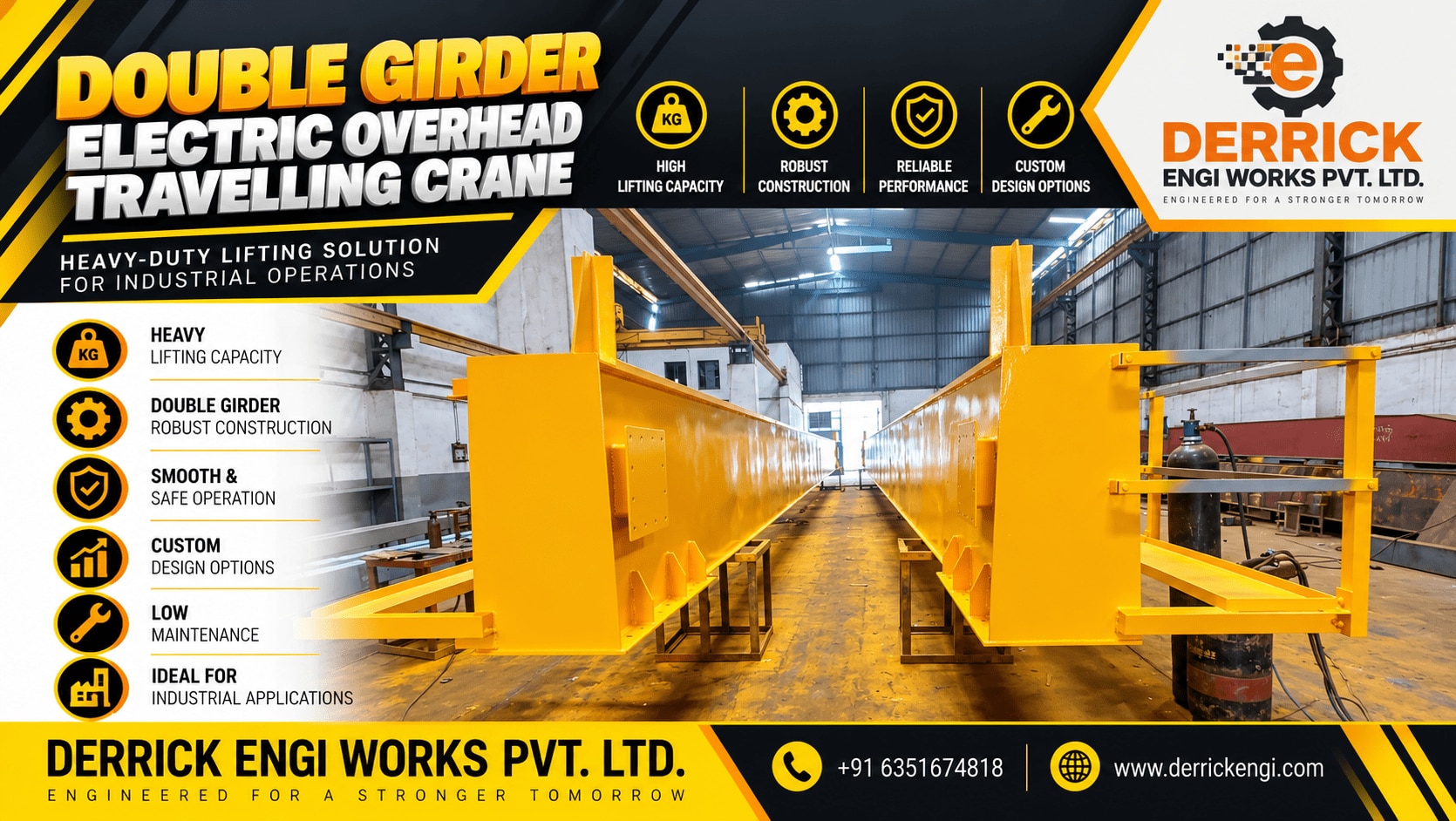 | EOT Cranes Double Girder Electric Overheard Travelling Crane 🏗️ Double Girder Electric Overhead Travelling (EOT) Crane Heavy Lifting. Robust Engineering. Reliable Performance. DERRICK ENGI WORKS PVT. LTD. View product → |
Frequently asked questions
How do you isolate a double girder EOT crane after a long shutdown?
Confirm why the crane stopped, identify work or incidents during the shutdown, isolate the main electrical supply, apply lockout and tagout, and secure the hook, trolley and bridge before inspection.
What should a double girder EOT crane inspection checklist include?
Check the runway, bridge girders, end carriages, wheels, hoist, trolley, wire rope, hook, reeving, controls, brakes, limit switches and travel functions.
How should you restart an EOT crane after inspection?
Restore power only after physical checks are complete, then test controls, brakes, limits, hoisting, lowering, trolley travel and bridge travel in stages without a load.
What should a steel plant crane maintenance release record contain?
Record the shutdown cause, inspection findings, defects, corrective work, electrical and functional test results, load-test requirements, inspector identity and authorised release decision.
Related products
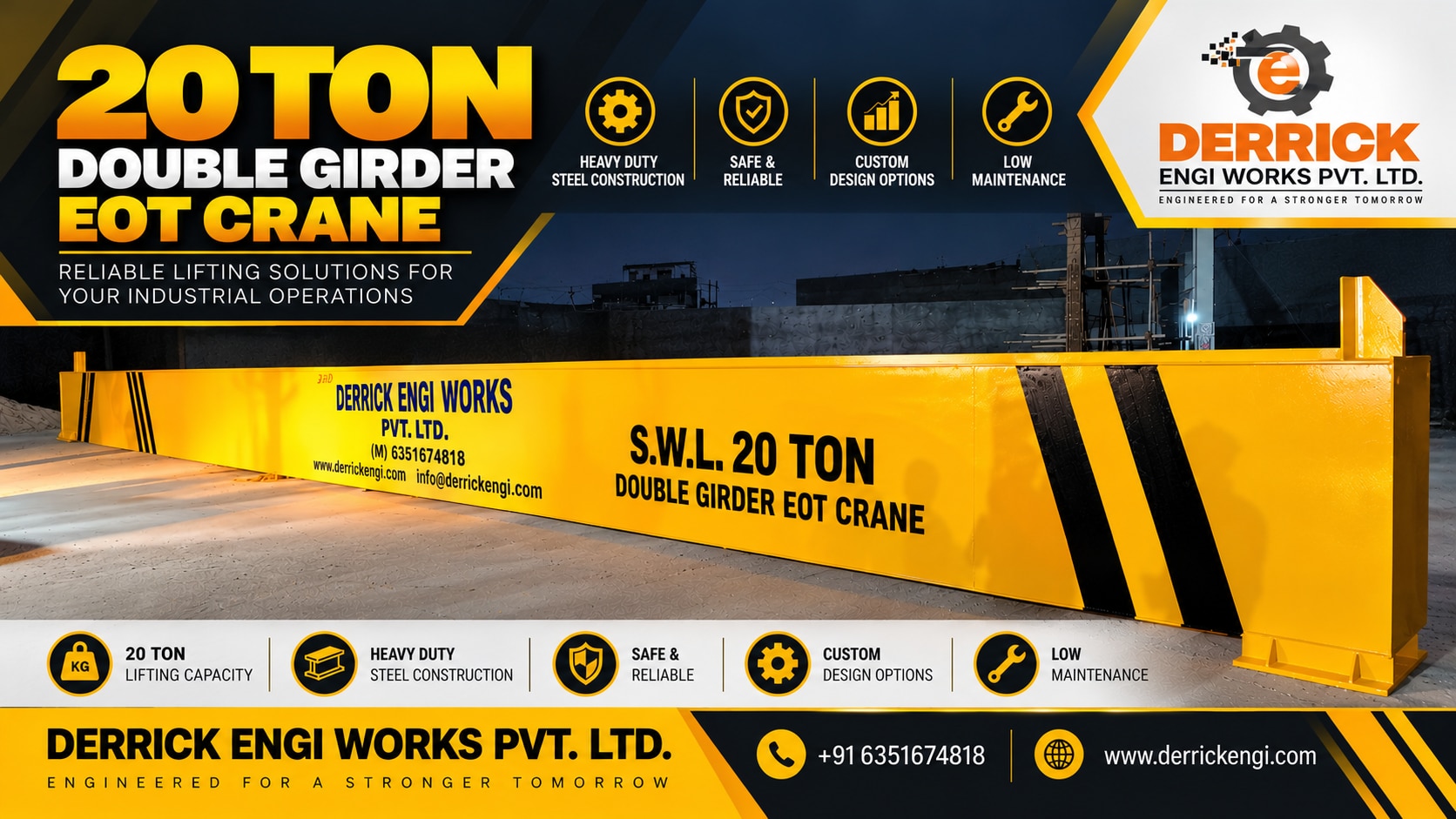 | EOT Cranes 🏗️ DG EOT Crane – Double Girder Electric Overhead Travelling Crane Heavy Lifting. Robust Engineering. Reliable Performance. DERRICK ENGI WORKS PVT. View product → |
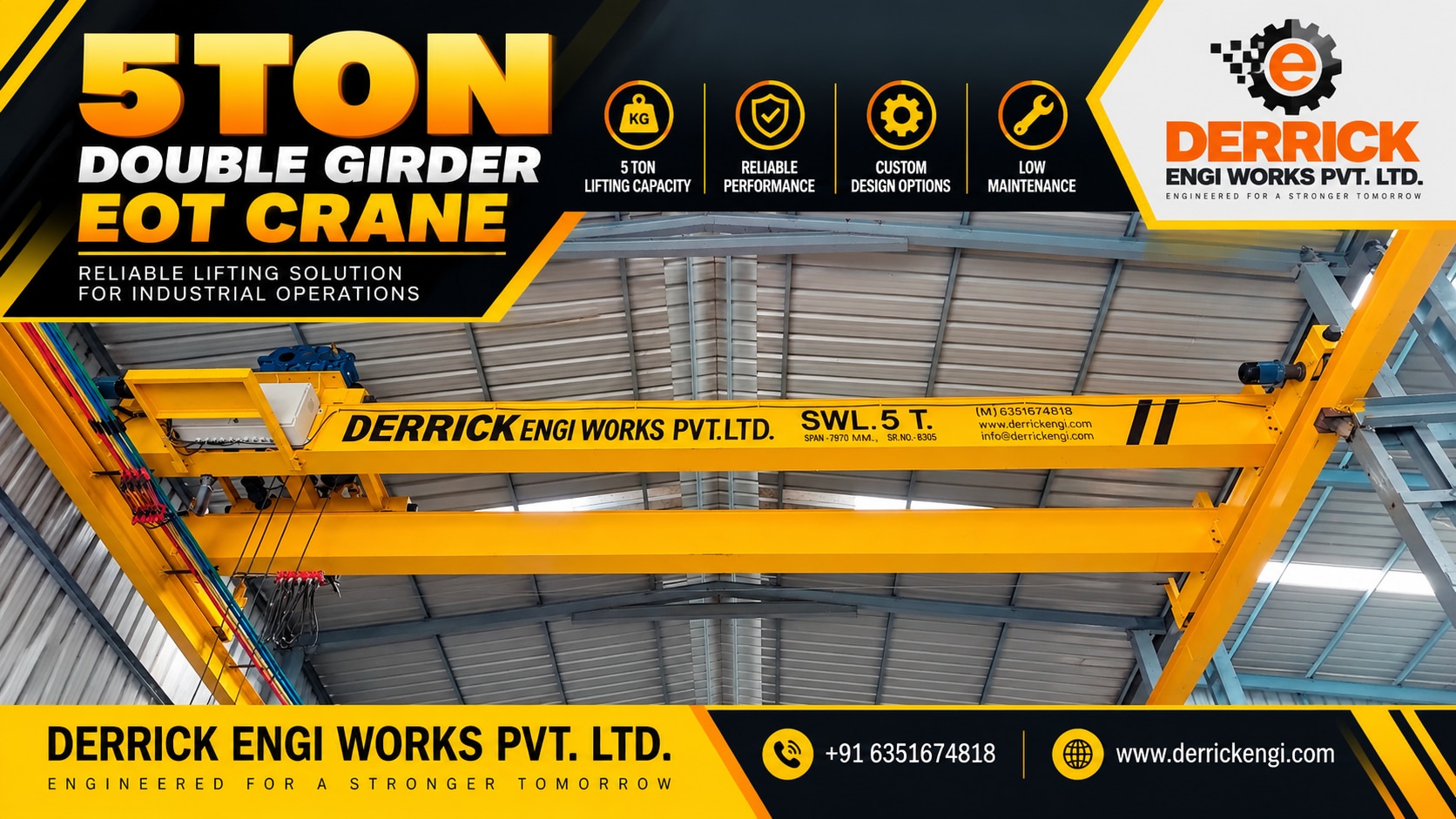 | EOT Cranes 🏗️ 5 Ton Double Girder EOT Crane Need a dependable overhead material-handling solution for your industry? DERRICK ENGI WORKS PVT. LTD. View product → |